
Start with the 12-track starter sampler! Then listen to the full playlist! Details below.
Think opera is boring, élitist, old-fashioned? People dying to pretty music. Tenors sailing the high Cs. Famous arias: ‘greatest hits’ built around star voices singing slowly and sadly. Unhappy love stories and wig-wearing comedies of manners. Classy, cliquey, but not going to set your pulse racing.
That’s not what opera is, or was in its heyday. Opera is total theatre, the most powerful dramatic form ever created, the greatest show on earth. It was meant to thrill, amaze, and astound, to keep audiences on the edge of their seats, and to make them “weep, shudder, and die” through singing, sensational storylines, and special effects.
It was the blockbuster before cinema; fantasy and epic before Tolkien and Game of Thrones; and heavy metal long before the electric guitar.
It was THE dramatic form of the 19th century: both popular entertainment and high art, exciting and politically charged, adored by rich and poor alike. The aristocrats had their boxes and the workers sat in the cheap seats; the middle classes played piano arrangements (home entertainment before Spotify and Netflix), and delivery boys whistled the latest hit tunes. With the advent of cinema, many of the most beloved operas — the ones that once sold out theatres worldwide — stopped being performed. Today, the mass of people who flocked to opera now go to the movies for epic storytelling, thrills, and spectacle, and to musicals for tunes and feeling. But nothing is quite like opera.
In the 19th century — the golden age of Romanticism — opera was glorious: history and myth brought to life in a fusion of drama and music.
The stakes were existential. Societies in upheaval, war and politics, revolution, religious fanaticism, class conflict, empire, heaven and hell, violent passion and even more violent death.
Star-crossed lovers, bloodthirsty villains, battles, curses, family feuds, revenge, and love betrayed.
Fantasy and supernatural horror: vampires, gods, demons, sorcerers, witches, earth spirits, sea kings, water nymphs, snow maidens, giants, devil-worshipping hunters with magic bullets, and frightening things lurking in the heart of forests. And the occasional dragon.
Opera inspired and terrified. It depicted oppressive regimes overturned, the class system overthrown, and entire countries fighting for their liberty. It was banned and censored, and sparked uprisings that overthrew governments and created nations. (Seriously: Belgium.)
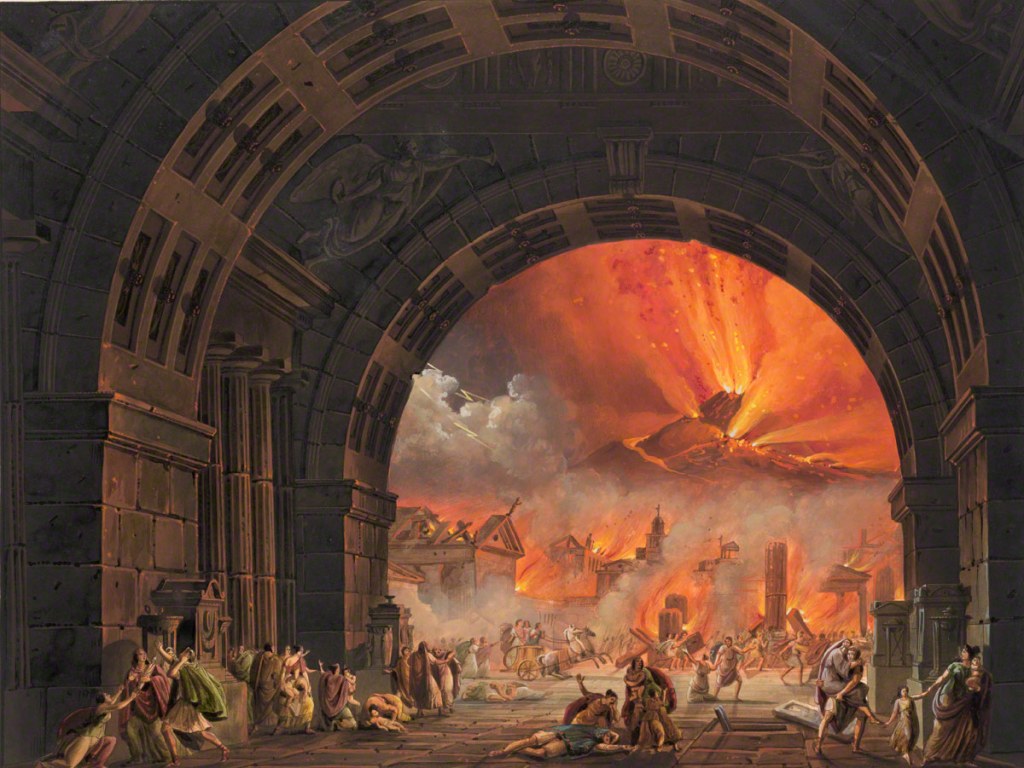
Opera stunned audiences with unprecedented SFX. The teenage Hector Berlioz was wowed by Salieri’s Les Danaïdes, which contains 99 murders and ends in hell (vultures tear out Danaus’s liver, demons chase and serpents devour his daughters, who have just murdered their bridegrooms on the wedding night). Audiences panicked and fled from the erupting volcano in Pacini’s Ultimo giorno di Pompei as the theatre seemed to crumble around them. Italian opera served up sea battles, floods, and yet more volcanoes; French opera brought burning castles, cavalry charges and exploding ships, tenors riding elephants, avalanches, magnificent processions glittering with armour and horses, and even more volcanoes. One of Halévy’s operas ends with an aerial battle between angels and demons, another with Judgement Day.
Reviewing Halévy’s Le Juif errant, one critic1 raved about it as “an immense, colossal work, a poem of opera mingled with history and steeped in the fantastic”, summing up all the advances of musical harmony and lyric art. The production was “the ultimate limit of dazzling and fascinating through scenic marvels”. Within five hours and a thousand feet of stage space, audiences beheld an apocalyptic spectacle:
“There are effects of electric light illuminating the stage; clouds that move across the sky; stars that rise or sink; new instruments that fold upon themselves twenty times before opening their wide mouths to vomit floods of harmony into the hall; the sea beating against the rocks; the moon that shines and then fades behind the clouds; the trumpets of the Last Judgment; angels traversing space; the earth that trembles; tombs opening to yield their prey to celestial justice; hell devouring the damned; heaven calling the elect.
“It is the North, it is the East, the storm, the sun, night and day; splendid palaces and imposing ruins; enchanted gardens, gushing fountains, buzzing bees — the earth, the sea, the sky, all that exists and all that one dreams, all that one sees and all that one divines, all that one can touch with a finger and all that one would not dare to imagine without terror. It is, finally, the end of ends — for everything, in the end, must end.”
Welcome to opera as it was meant to be: apocalyptic, ecstatic, ablaze, spectacular.
In this playlist, you’ll find:
- Cannons, cults, and collapsing empires.
- State terror and storms.
- Oaths and betrayals.
- Conspiracies, coronations, and assassinations.
- Riots, rebellions, and raging mobs.
- Battle hymns, demonic incantations, and rides into the abyss.
- Sorcerous rituals.
- Gods and witches.
- Priests eaten by sea serpents.
- Princesses snogging severed heads.
- Guillotined nuns.
- Worlds discovered and destroyed.
- Cities burning.
- Tyrants rise to power, and topple.
- The devil has the best tunes, and the Furies dance.
And oh, the music! Music that pounds and races and gallops; quicksilver ensembles; finales that catch fire; massive tableaux featuring hundreds of singers; enormous orchestras; and vocal and theatrical display modern theatre can only dream of.
You will hear sopranos flash and blaze like lightning through coloratura storms, while basses rumble like earthquakes. Choruses like tidal waves. Mass finales that sound like armies rising and shake the very walls. Ensembles that were compared to hurricanes or the ocean; that, in Hector Berlioz’s words, seemed to be “written with electric fluid, by a gigantic galvanic pile, … accompanied by thunderclaps and sung by tempests”. Choruses of shimmering beauty and shattering power.
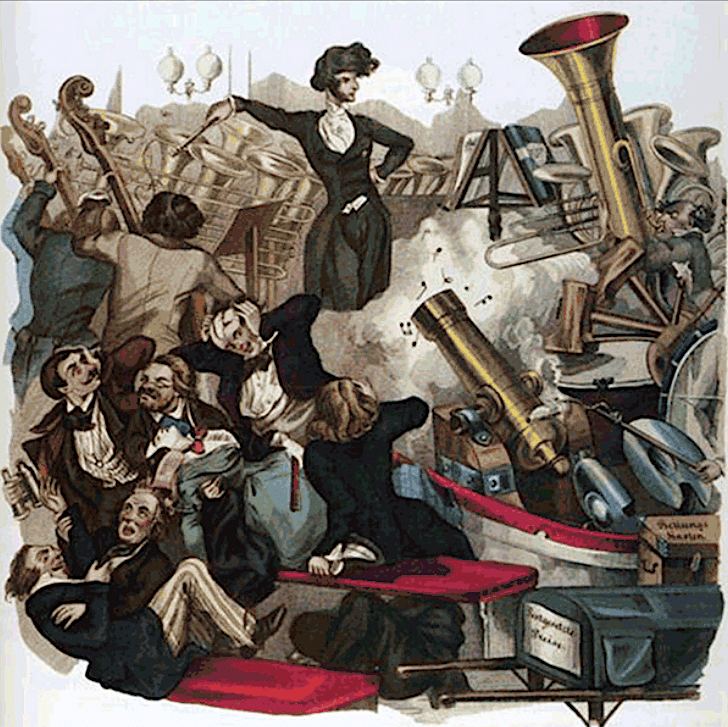
The great opera composers — Meyerbeer, Verdi, Wagner, even the bel canto maximalist Pacini — were likened to titans who created “immense and stupendous” musical architecture, “Gothic cathedrals, whose spire, reaching for heaven, and colossal cupolas seem to be planted by the hand of a giant”.
Meyerbeer, now largely forgotten but in his time the most acclaimed opera composer of them all, was called a prophet of music with a mission, denouncing ethnic, religious and racial bigotry and European colonialism. The French grand opéra genre he dominated was full of religious massacres and mass uprisings, charismatic politicians claiming to be divine, blessings of swords, ice-skating ballets, exploding palaces, shipwrecks, poisonous trees, excommunications, auto-da-fés, and the end of the world. (Before the Marvel, there was the MCU: Meyerbeer Cataclysmic Universe.) Incidentally, Meyerbeer’s wildly popular first French opera, Robert le Diable, has the same plot as Star Wars (“I am your father! And the devil!” “NOOOOO!”) — only with a ballet of zombie nuns.
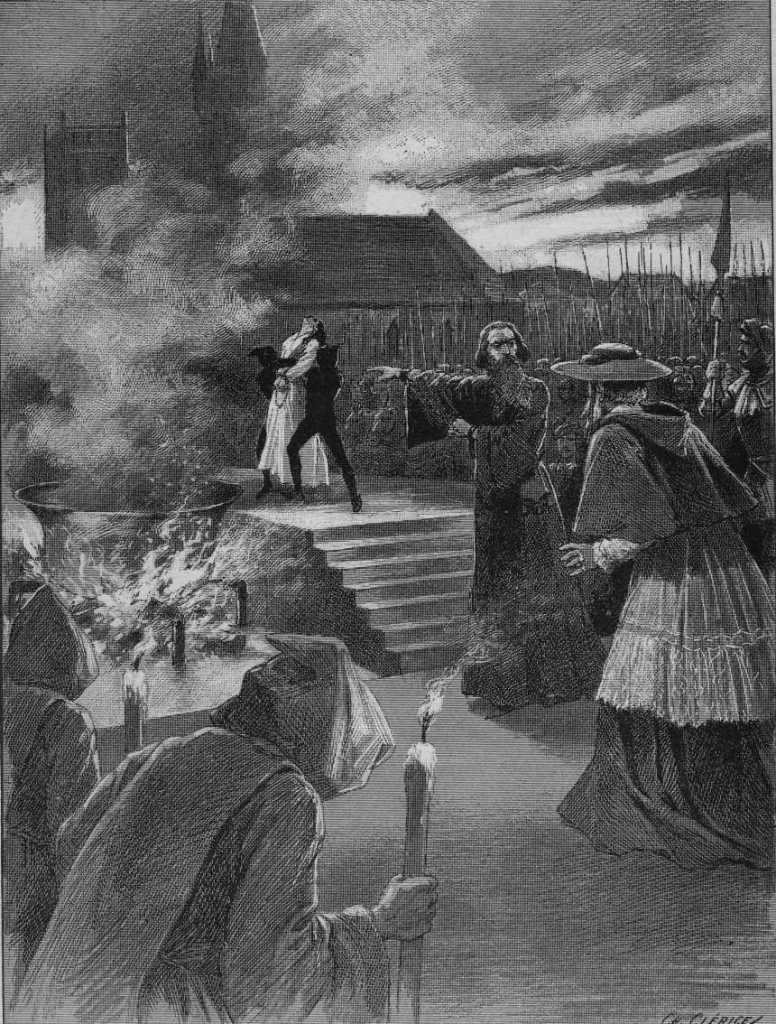
Verdi’s operas were calls to arms for the emancipation of Italy from foreign occupation. His music was vehement and visceral; conservative critics feared he would destroy opera altogether, but Italians shouted “Viva Verdi!” and sang his patriotic choruses as they manned the barricades. “Give me love, violent love!” Donizetti told his librettists — and they did. A husband presents his wife with the still-beating heart of her lover in a casket; a mother poisons her son and his boyfriend at a funeral banquet; and a soprano dies three times (!) and comes back from the tomb to wreak her revenge. In Mercadante, meanwhile, a brother kills his sister’s lover in battle, she tears the laurel wreath from his head and tramples it under foot, he curses her and stabs her in front of all Rome.
Like a modern rock star, Berlioz — the patron demigod of this playlist — played the guitar; dropped out of med school to become a musician; was disowned by his mother; shocked and confused the establishment; took drugs; composed symphonies about his hallucinations; had a scandalous love life; and wrote music so loud and terrifying that people thought the apocalypse had arrived. (Speaking of rock stars, before Beatlemania there was Lisztomania: the pianist and composer Franz Liszt, not included in this playlist was mobbed by hordes of screaming groupies who flung their underwear at him as he performed, while the violinist Paganini was supposed to have sold his soul to the devil.)
Wagner, the sorcerer of Bayreuth, dreamt of revolutionary theatre that would overthrow the old order and create a new art and society. Tristan und Isolde was unprecedentedly, disturbingly erotic, half in love with easeful Lovedeath: the first tenor who sang it lost his mind and died, and priests fled from the theatre in horror, making the sign of the cross. His masterpiece, The Ring, is four days of Norse myth, gods, giants, Valkyries and dragons, incest and real estate negotiations, ending with the stage both underwater and on fire. (Wagner originally wanted to burn down the theatre.)
And for light relief: the exhilarating, life-enhancing Rossini, the musical equivalent of a direct injection of serotonin. Listen to his manic topsy-turvy comic ensembles, singers revelling in tongue-twisters and onomatopoeia at breakneck speed, notes flying nineteen to the dozen.
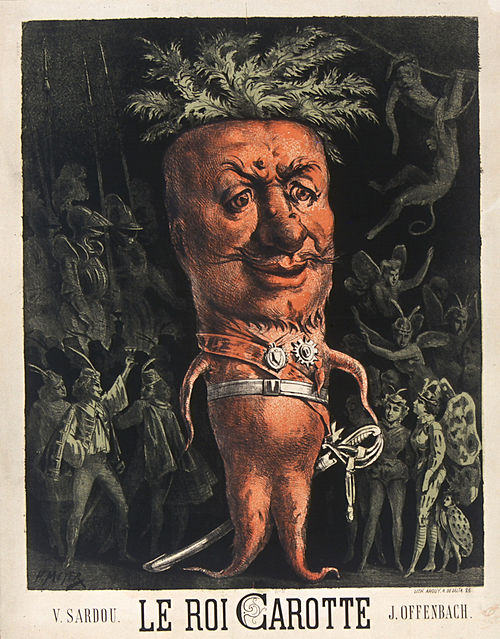
The absurdist, subversive Offenbach, the forerunner of Monty Python. In his operas, Zeus disguises himself as a fly to seduce women and sings buzzing love duets. Heroines sing waltz arias while they’re cooked alive by cannibals. Tenors are pursued by Public Opinion. Characters journey to the moon, visit vegetable kingdoms ruled by giant talking carrots, or are poisoned with laxatives and lament their borborygmic woes in indigestion quintets. At the end, the composer and librettist are hauled off to the asylum!
Speak of the devil: the first opera I saw live was Gounod’s Faust, the perfect introduction for an imaginative 15-year-old. (If it had been Traviata or Bohème, I might not be writing this.) It had everything. In the very first scene, the tenor sells his soul to Satan. Diabolical pacts! Wine flowing out of goats’ heads! The Jewel Song (yes, the one Bianca Castafiore inflicts on Tintin)! Mephistopheles playing the organ, summoning demons and a circle of fire to torment Marguerite in the cathedral! The Soldiers’ Chorus! Sword fights! A finale in an asylum, with ragged madmen clambering down the walls! And it ends with the soprano soaring to heaven while Faust and the devil fall into hell. I was hooked.
As Walt Whitman wrote, in a poem that evokes French and Italian opera:
Give me to hold all sounds, (I madly struggling cry,)
Fill me with all the voices of the universe,
Endow me with their throbbings, Nature’s also,
The tempests, waters, winds, operas and chants, marches and dances,
Utter, pour in, for I would take them all!
– “Proud Music of the Storm”
THE TRACKS
Lightning playlist: The Opera Conversion Sampler
If you listen to nothing else, listen to these tracks first:
- Pacini: MARIA, REGINA D’INGHILTERRA — Act II finale stretta. Forget famous arias. Start with this: three minutes of sheer momentum, chorus in chaos, and everyone screaming “Ciel!” while cymbals crash.
- Boito: MEFISTOFELE — Ridda e fuga infernale. Black Sabbath: thunder on the mountains, witches shriek, demons stampede, and the devil leads the rave. You’ll know it from Batman Begins.
- Franchetti: CRISTOFORO COLOMBO — Act 2 finale “Terra, terra!”. Cannons fire, voices soar, land is sighted: the discovery of the New World in full choral glory.
- Donizetti: L’ASSEDIO DI CALAIS — Act I finale. Besieged citizens, starving and desperate, roar defiance at their enemies.
- Halévy: LA JUIVE — Act III finale. “They are accursed by God!” The crowd recoil from the excommunicated in horror.
- Meyerbeer: LES HUGUENOTS — Blessing of the Swords. Priests sanctify the massacre of heretics. A ritual turned bloodbath anthem. One listener: “The first rock anthem!”
- Rossini: L’ITALIANA IN ALGERI — Act I finale. After holy murder, pure bedlam: everyone loses the power of speech and starts imitating bells, crows, cannons and hammers. “Bum bum cra cra din din tac tac!”
- Berlioz: LES TROYENS — Act III finale. Epic: Æneas, son of Venus and future founder of Rome, rallies his troops to defend Carthage.
- Cherubini: MÉDÉE — duet “Perfides ennemis qui conspirez ma peine”. Full-throttle fury: she’s been dumped. He’s moved on. So she explodes in a hurricane duet of rage and betrayal. Medea doesn’t do chill — and their children are going to pay.
- Verdi: ATTILA — Act II finale “O miei prodi”. The Huns feast and chant, dreaming of conquest.
- Mercadante: ORAZI E CURIAZI — Act III final duet. Rome triumphs after war. A sister weeps for her lover, killed by her brother. Her brother stabs her too.
- Glass: AKHNATEN — Attack and Fall. A pharaoh’s reign ends in disaster, and Ancient Egypt collapses in a torrent of overwhelming sound.
The full playlist
Six themes:
- Power and Political Catastrophe (opera as historical epic)
- Fanaticism & Faith (political and religious extremism / obsession)
- Intermezzo: A Bacchanalia (comedy, farce, riot)
- Tempest & Turmoil (storms and wild weather)
- Devils & Deities (the supernatural)
- Transformation & Transcendence (the metaphysical, the cosmic)
But you don’t have to listen straight through. Dip, skip, shuffle around. Pick a track or two from each section. You don’t need to know the plot, or the language. Let the music’s sheer force knock you sideways.
1.) Power and Political Catastrophe
Now loud approaching drums,
Victoria! see’st thou in powder-smoke the banners torn but flying? the rout of the baffled?
Hearest those shouts of a conquering army?
(Ah soul, the sobs of women, the wounded groaning in agony,
The hiss and crackle of flames, the blacken’d ruins, the embers of cities,
The dirge and desolation of mankind.)
- Whitman
Opera depicts pivotal moments in history: the rise and fall of empires, the ambitions of kings and queens, the clash of nations, the struggle for liberty, and the politics of blood.
- PACINI: Maria, regina d’Inghilterra (1843). Act II finale. Bloody Mary is not in a good mood.
- PUCCINI: Turandot (1926). “Gira la cote, gira, gira!” Sharpen the blade: the chorus chants for blood as heads roll.
- CHERUBINI: Médée (1797). “Perfides ennemis qui conspirez ma peine.” The sorceress Medea explodes in fury when her lover Jason betrays her. She will be avenged, even if she must kill her own children.
- BERLIOZ: Les Troyens (1863). Marche et hymne “Dieux protecteurs de la ville éternelle”. Rome’s founding myth. After a decade of war, the Trojans think the Greeks have gone, and the conflict is over; they praise their gods, but the prophetess Cassandra knows better. Act III finale. Trojan refugees, led by Æneas, the son of Venus, unite with Carthaginians to battle a new enemy.
- MERCADANTE: Orazi e Curiazi (1846). Oath “Pria di pugnar”. The Oath of the Horatii: three swords decide Rome’s destiny. Act III finale. The Horatii triumph, but they have killed their sister Camilla’s lover; when she protests, her brother stabs her.
- MERCADANTE: Virginia (1866). Act I trio finale. Act II finale. Tyranny meets resistance: king Tarquin’s lust for a plebeian maiden sparks republican revolution.
- VINCI: Artaserse (1730). “Amalo se al tuo sguardo.” Baroque rage: court intrigue, forced marriage, and paternal wrath.
- VERDI: Attila (1846). Act II finale “Oh, miei prodi”. The Hun warlord and “scourge of God” exhorts his warriors: feast now, conquer tomorrow.
- DONIZETTI: L’assedio di Calais (1836). Act I finale. Cornered and defiant, the besieged burghers of Calais roar back like tigers against the English.
- PACINI: Carlo di Borgogna (1835). Act I finale stretta. Burgundy explodes into chaos when a royal wedding ends in duels and disaster.
- FRANCHETTI: Cristoforo Colombo (1892). Act 2 finale “Terra, terra!”. Land ahoy! Columbus sights the New World, voices soar, cannons roar, and history turns.
- MUSSORGSKY: Boris Godunov (1874). The Coronation Scene. The Forest of Kromy scene. A child murderer is crowned tsar; the people revolt; and Russia descends into crisis.
- GOUNOD: Cinq-Mars (1877). La Conjuration. France’s nobles plot to topple Cardinal Richelieu in an electrifying, thundering scene.
- OFFENBACH: Ba-ta-clan (1855). “Ba-ta-clan!” Offenbach sends up the grand opéra conspiracy ensemble: conspirators sing martial anthems and the tenor imitates brass instruments. “It’s not the moment to laugh,” they say — but it very much is.
- FORONI: Cristina regina di Svezia (1849). Conspiracy scene. Swedish nobles plot to overthrow their queen. (Skip to 2’50”.)
- VERDI: I masnadieri (1847). Act II finale. Fire consumes Prague, and the bandits howl like wolves. Melodrama in full Sturm and Drang.
- WAGNER: Götterdämmerung (1876). Siegfried’s Funeral March. The hero falls; twilight gathers; the world darkens.
2.) Fanaticism & Faith
I see the crusaders marching bearing the cross on high, to the martial clang of cymbals.
- Whitman
The terrifying collision of belief and power, of religious and political extremism: when private passions, collective hysteria or divine authority justify violence, sacrifice, and death.
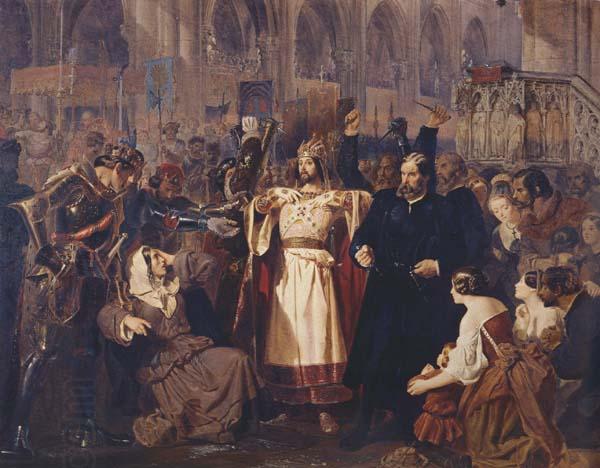
- NOWOWIEJSKI: Quo Vadis (oratorio) (1909). “Christianos ad leones!” Nero’s mob screams: throw the Christians to the lions.
- MEYERBEER: Les Huguenots (1836). Act II finale. The Blessing of the Swords. A holy bloodbath: priests consecrate assassins as France prepares for slaughter. Berlioz: “One of the most shattering inspirations in the whole of art.”
- HALÉVY: La Juive (1835). Act III finale “Sur eux anathème !” Forbidden love between a Jew and a Christian meets holy fury.
- MEYERBEER: Le Prophète (1849). Prêche anabaptiste “Ad nos ad salutarem undam”. The Cathedral Scene. Fanatical Anabaptist preachers stir up the peasants; and a false Messiah is crowned.
- PUCCINI: Tosca (1900). Te Deum “Tre sbirri, una carrozza … Va Tosca”. The villain tries to pray, but lust wins.
- STRAUSS: Salome (1905). Final scene. She gets John the Baptist’s head. On a platter. And kisses it. Ecstasy, blood, and erotic horror.
- POULENC: Dialogues des Carmélites (1957). Final scene “Salve Regina”. In the French Revolution, nuns march to the guillotine. Martyrdom under secular terror.
- ADAMS: Nixon in China (1987). “I am the wife of Mao Tse-tung.” Madame Mao unleashes the Cultural Revolution as nightmare spectacle.
- GLASS: Akhnaten (1984). Attack and Fall. Ancient Egypt: the heretic pharaoh is overthrown. Gods change, and power shifts.
3.) Intermezzo: A Bacchanalia.
I hear the dance-music of all nations,
The waltz, some delicious measure, lapsing, bathing me in bliss,
The bolero to tinkling guitars and clattering castanets.
- Whitman
Operatic carnival: riot, satire, mania; wild, absurd, and drunk on its own invention.
- BERLIOZ: La damnation de Faust (1846). “Villes entourées.” Students and soldiers drink and sing. Nunc bibendum et amandum est: now is the time to drink and make love!
- MOZART: Don Giovanni (1787). “Fin ch’han dal vino.” Sixty seconds of pure hedonism: Don Giovanni orders a party.
- VERDI: Un ballo in maschera (1859). “Ogni cura si doni al diletto.” The Swedish court disguise themselves to visit a fortune teller: but conspirators want to get rid of their light-hearted king.
- MONIUSZKO: Strászny Dwór (1865). Mazurka. The Polish aristocracy whirl through the patriotic dance, defiant against foreign rule.
- OFFENBACH: La Vie Parisienne (1866). Act III finale. Booze flows, and the party spins out of control.
- ROSSINI: L’italiana in Algeri (1813). Act I finale. Bum bum, cra cra, din din, tac tac: in one of opera’s most absurd ensembles, the characters are so confused they lose the power of speech, and gabble like cannons, crows, bells, and hammers.
- ROSSINI: La Cenerentola (1817). Sextet “Questo è un nodo avviluppato”. In Rossini’s tongue-twisting take on Cinderella, the singers mind their p’s (and q’s): “Questo è un nodo avviluppato, Questo è un gruppo rintrecciato. Chi sviluppa, più inviluppa, Chi più sgruppa, più raggruppa.”
- ROSSINI: Il viaggio a Reims (1825). Gran pezzo concertato. 14 soloists, one hotel, no plot: total comic mayhem.
- OFFENBACH: Les Brigands (1869). Trio des marmitons. Crime caper, cooked up by Offenbach and served with relish: bandits masquerade as cooks as part of a devious scheme to kidnap wealthy travellers.
- BERLIOZ: Benvenuto Cellini (1838). Act I finale “Maudit canon du fort Saint-Ange”. Swordfights, brawls, and cannon blasts: the Roman Carnival goes berserk.
- ROSSINI: Matilde di Shabran (1821). Sextet “È palese il tradimento”. Operatic bedlam: a mad misogynist has a fit of jealousy and orders his henchmen to throw the woman he’s in love with off a cliff. Voices fly, tempers explode, Rossini goes ballistic.
4.) Tempest & Turmoil
Proud music of the storm,
Blast that careers so free, whistling across the prairies,
Strong hum of forest tree-tops—wind of the mountains,
Personified dim shapes—you hidden orchestras,
You serenades of phantoms with instruments alert,
Blending with Nature's rhythmus all the tongues of nations...
- Whitman
Opera as elemental force: wind, water, lightning, fire. The raw power of nature.
- VERDI: Otello (1887). Opening scene “Una vela! Una vela!” The storm crashes: wind, sea and destiny collide as Otello arrives through a tempest in Verdi’s adaptation of Shakespeare.
- MASSENET: Esclarmonde (1889). “Esprits de l’air, esprits de l’onde!” A sorceress summons elemental powers of air and wave to transport her lover to a magic island.
- WAGNER: Die Walküre (1870). The Ride of the Valkyries. Mighty maidens with a mission, Valkyries ride the skies, scooping dead heroes from battlefields to take to Valhalla, laughing over the storm as they do. Apocalypse now.
- VERDI: Rigoletto (1851). “Ah, più non ragiono!” Lightning stabs as an innocent girl is brutally murdered.
- BERLIOZ: Les Troyens (1863). Chasse royale et orage. Berlioz as landscape painter. Hunting horns, lightning, and orchestral fury.
- WAGNER: Die Walküre (1870). Wotan’s Farewell and Magic Fire Music. A father’s heartbreaking farewell: he puts his daughter to sleep, encircled by flames.
5.) Devils & Deities
Demons, gods, furies; cosmic judgement, prophecies and fatalism, damnation, apocalypse, redemption.
- BERLIOZ: La damnation de Faust (1846). La Course à l’Abîme & Pandaemonium. The devil rides out, the abyss opens, and Mephistopheles drives Faust into the void as demons howl with glee.
- GOUNOD: Faust (1859). “Le veau d’or.” Diabolical materialism: the devil leads the masses in praise of the Golden Calf.
- BOITO: Mefistofele (1868). Ridda e fuga infernale. Witches hold their Sabbath. Chorus and orchestra convulse in a frenzied demonic stampede.
- GLUCK: Orphée et Eurydice (1762). Danse des Furies. The guardians of hell block Orpheus’s quest to save his love.
- GLUCK: Armide (1777). La Haine scene. Hatred itself is summoned from the abyss.
- RAMEAU: Hippolyte et Aricie (1733). Trio des Parques. The Fates prophesy that Theseus will leave the underworld but find hell at home.
- LEMOYNE: Phèdre (1786). “Neptune, seconde ma rage.” Theseus invokes the gods to kill his son for a crime he did not commit.
- SALIERI: Les Danaïdes (1784). Act III finale. Hellfire rains down on 49 brides who murdered their husbands on the wedding night.
- BERLIOZ: Les Troyens (1863). Ottetto et double chœur “Châtiment effroyable”. The priest Laocoön and his family have been devoured by sea serpents; the gods have doomed Troy.
- WAGNER: Götterdämmerung (1876). Brünnhilde’s Immolation Scene. A Valkyrie rides into fire, night falls on the gods, and the world begins again.
- GLUCK: Iphigénie en Tauride (1779). Finale “Les Dieux, longtemps en courroux”. The gods’ wrath is appeased, and peace returns.
6.) Transformation & Transcendence
The Creation in billows of godhood laves me… poems bridging the way from Life to Death.
 - Whitman
Opera as metaphysical ritual: rebirth, eternity, redemption, spiritual ecstasy, the final escape from chaos.
- JANÁČEK: Jenůfa (1904). Act III finale “Odesli…Jdi také!” In a Czech village, after winter tragedy, unmarried mother Jenůfa and her lover find a new life together.
- STRAUSS: Friedenstag (1938). Finale. After decades of war, a peace armistice is signed, a besieged fortress opens its gates, and the people rise in rapture.
- OFFENBACH: Les Contes d’Hoffmann (1881). Finale “Des cendres de ton cœur”. Unhappy in love, but a storyteller of genius, the poet Hoffmann’s consolation is his imagination.
- WAGNER: Tristan und Isolde (1865). Liebesnacht. Day sinks into night; two lovers dissolve into endless desire, beyond life and death.
- GOUNOD: Faust (1859). Trio final “Alerte, alerte, ou vous êtes perdus”. Marguerite ascends to heaven; Faust is damned.
- WAGNER: Parsifal (1882). Transformation Music. Finale “Nur eine Waffe taugt.” A Holy Fool, wise through compassion, becomes the redeemer.
- BOITO: Mefistofele (1868). Epilogue “Ave Signor — Odi il canto d’amor”. Faust, dying, repents and is forgiven; the Devil exits, and the universe resounds in harmony.
That is opera.
This playlist was suggested by Reddit: Which 20-track playlist would you make to recruit a new young opera fan who has never heard anything? And Reddit answered: Pinza, Gigli, Flagstad, and Callas — singers who recorded 60 years ago. In some cases, who were already dead 60 years ago. I thought there had to be a better way to market opera to Gen Z!
- Alphonse de Calonne, Revue contemporaine, April 1852. ↩︎
 The Opera Scribe